Member Spotlight: Maciej Maciejewski

This month, we're featuring @MaciejMaciejewski, an Engineering Geology and Digital Modelling Specialist based in Poland.
Maciej works on large-scale railway infrastructure projects, where he focuses on geological modelling, infrastructure modelling, and quality control of geological documentation. His work helps transform complex geological data into information that can support design and decision-making throughout a project.
Working with Geological Data at Scale
A big part of Maciej's role involves managing and modelling large datasets. On one recent railway project, he worked with more than 2,000 geological boreholes across a 50-kilometre railway corridor.
One of the biggest challenges is ensuring data is organized, standardized, and ready for modelling.
As Maciej puts it:
"If the input data is prepared in the best possible way, everything that comes after becomes much easier."
Using Leapfrog Works
Maciej primarily uses Leapfrog Works to analyze groundwater conditions and develop geological models at the required level of detail.
One feature he particularly values is the ability to quickly identify issues within incoming datasets.
"Importing geological data into Leapfrog makes it very easy to find errors - empty cells, duplicates, and other inconsistencies. It's very useful for me."
What Keeps Geology Interesting?
While digital modelling is a major part of his work, Maciej remains fascinated by the practical side of geology and the impact it has on real-world projects.
He enjoys seeing how geological information directly influences design decisions and project delivery, while also collaborating with professionals across railway, construction, sanitary, and facility management disciplines.
Beyond the Office
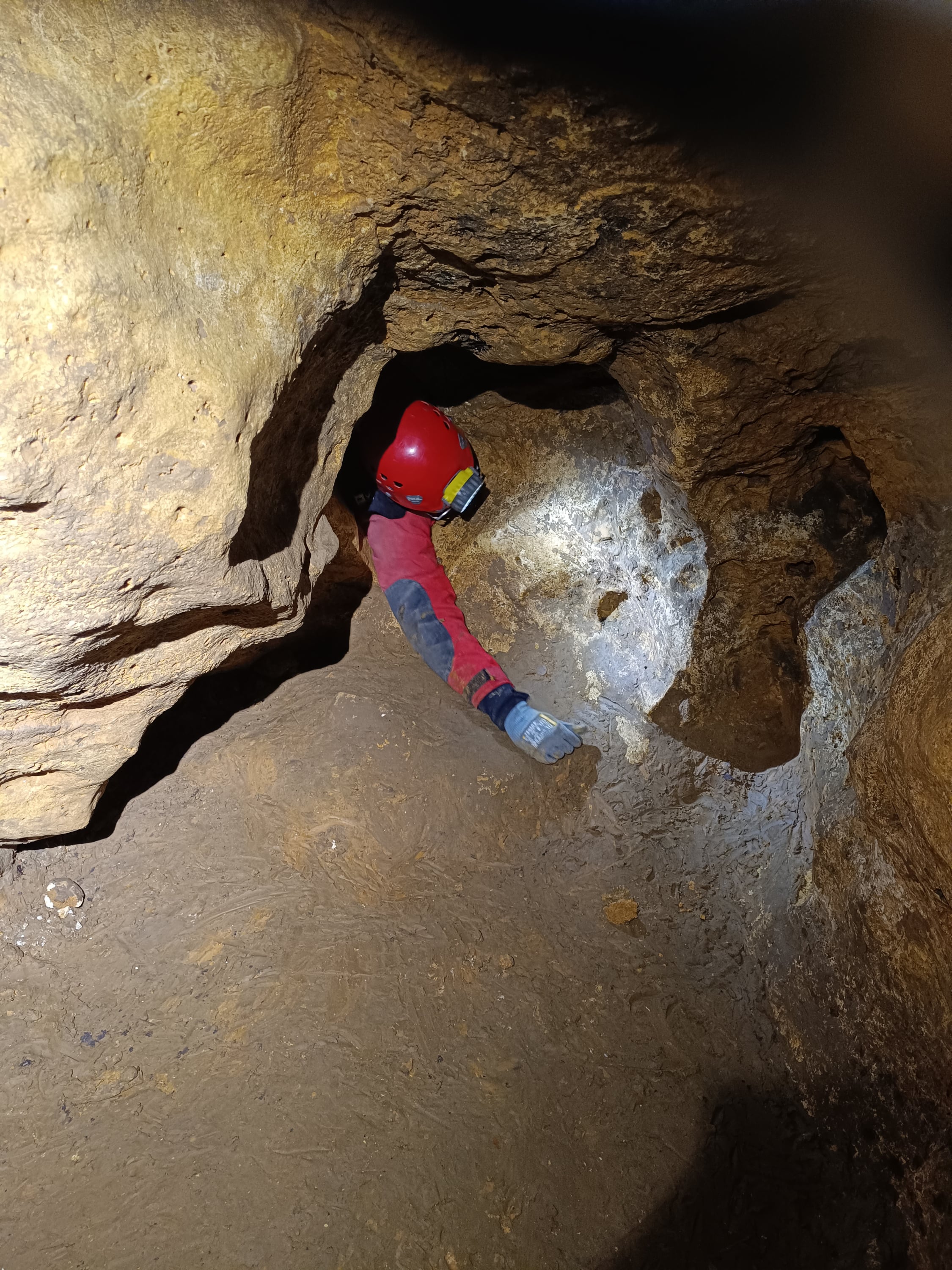
When he's not working on geological models, Maciej is still exploring the subsurface - just in a different way.
"After hours, I go into caves and explore the Earth from the inside - I'm a speleologist."
A fitting hobby for someone who spends their days helping others better understand what's happening beneath the surface.
Categories
- All Categories
- 302 Community
- 3 Get Started
- 17 Latest Releases
- 16 Member Spotlight
- 42 Learning
- 1.1K Products
- 565 Geology
- 538 Leapfrog
- 1 Volsung
- 26 Visible Geology
- 36 Data Management & Collaboration
- 14 MX Deposit
- 13 Central
- 9 Imago
- 137 Geotechnical
- 137 GeoStudio
- 332 Geophysics
- 321 Oasis montaj
- 1 Workbench
- SPIA
- 10 Res2DInv & Res3DInv
- 3 Evo
- 27 GX Developer