Processing filters in Workbench


Quick question for the group… do you use processing filters in Workbench, or do you still handle most of it manually? I'm talking Raw Sign and Raw Slope filters.
I recently started experimenting with processing filters in Workbench a lot more in depth, and it has honestly changed how I approach data processing. I used to go fully manual on every sounding (took me forever, especially with my indecisive nature), but now I’m all in on the auto filters.
One thing that really helped things for me was working directly with the sounding decay curve and overlaying the From time and noise slopes to dial in the parameters exactly how I want them (honestly only takes seconds to do). Being able to visually line that up has made a big difference in understanding what the filters are doing to the data. And perhaps why they didn’t seem to work in the past? Also, small but powerful tip, in Workbench Views you can switch the axes to dB/dt [V/m^2], which makes it much easier to tune those parameters precisely.
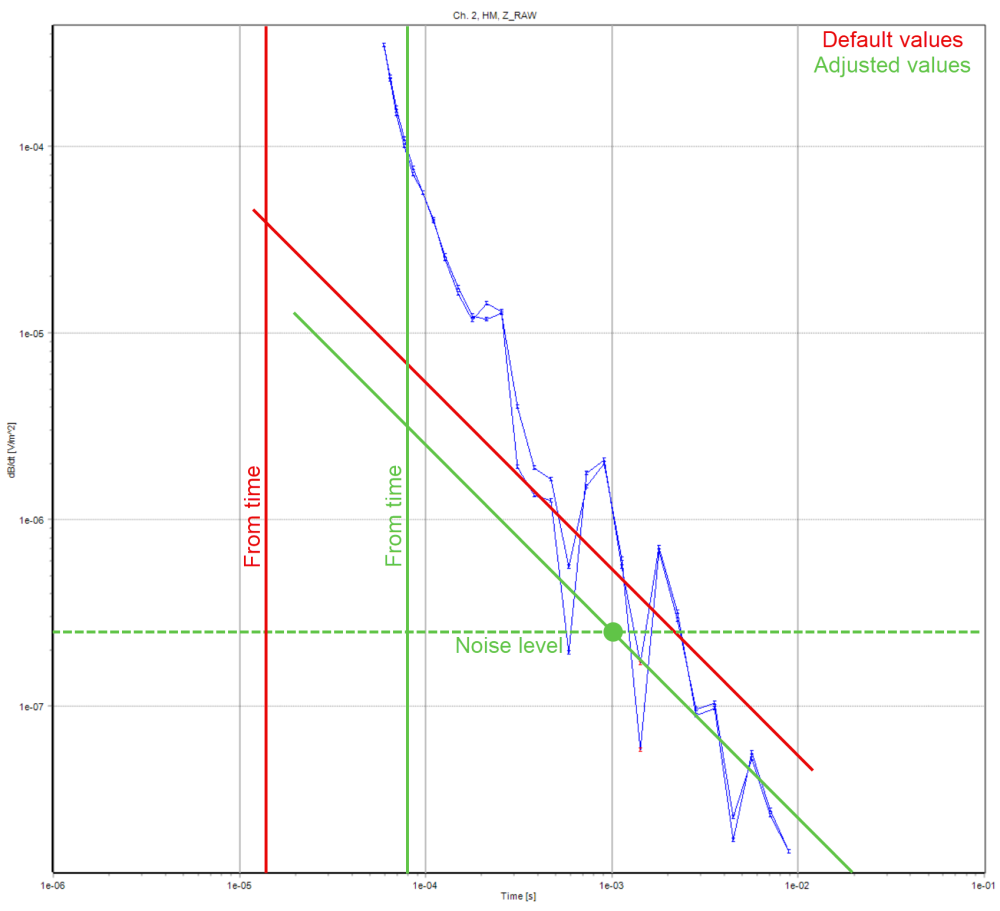
These filters have been a huge time saver for me, especially as someone who tends to over analyse every sounding. It helps me quickly identify areas that need a closer look, and I have had good success using it to clean up coupling effects.
That said, I am definitely not abandoning manual processing. I still find it essential for quality control and for those tricky sections where filters alone are not enough. But combining the two has made the whole workflow feel a lot more efficient.
Curious how others are approaching this. Are you leaning more on processing filters now, or still sticking mostly to manual edits? Any tips for me that you discovered while using these filters?
Categories
- All Categories
- 302 Community
- 3 Get Started
- 17 Latest Releases
- 16 Member Spotlight
- 42 Learning
- 1.1K Products
- 565 Geology
- 538 Leapfrog
- 1 Volsung
- 26 Visible Geology
- 36 Data Management & Collaboration
- 14 MX Deposit
- 13 Central
- 9 Imago
- 137 Geotechnical
- 137 GeoStudio
- 332 Geophysics
- 321 Oasis montaj
- 1 Workbench
- SPIA
- 10 Res2DInv & Res3DInv
- 3 Evo
- 27 GX Developer